Since the beginning of this week, we have started to see prices for roses and carnations rise in Ecuador. The increase is most noticeable in color varieties, while red varieties are still seeing much more moderate price movements..
That said, it is still too early to talk about a major shift in the market. Availability remains strong, and the main varieties are still available. What we are seeing is more of a move away from the price levels buyers have become accustomed to over the past few months.
For quite some time, Ecuador has had a large number of promotional offers, with prices on some varieties reaching exceptionally low levels. As a result, the current increase may feel quite significant to buyers. However, if we compare today's prices not with the promotional levels of recent months, but with regular market prices, the picture looks much less dramatic. In many cases, this is less about a sharp price increase and more about a return to regular pricing after a prolonged period of extremely low market prices.
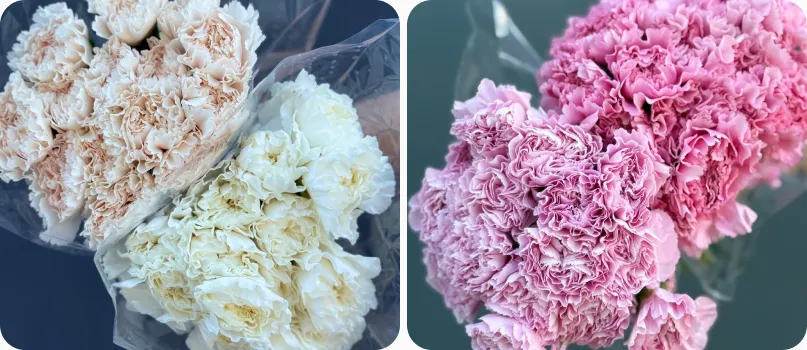
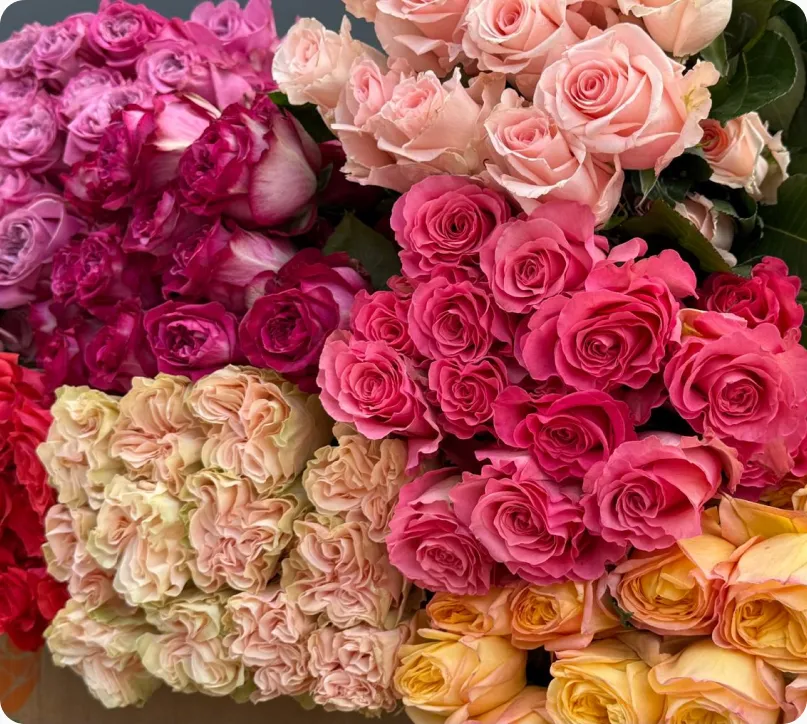
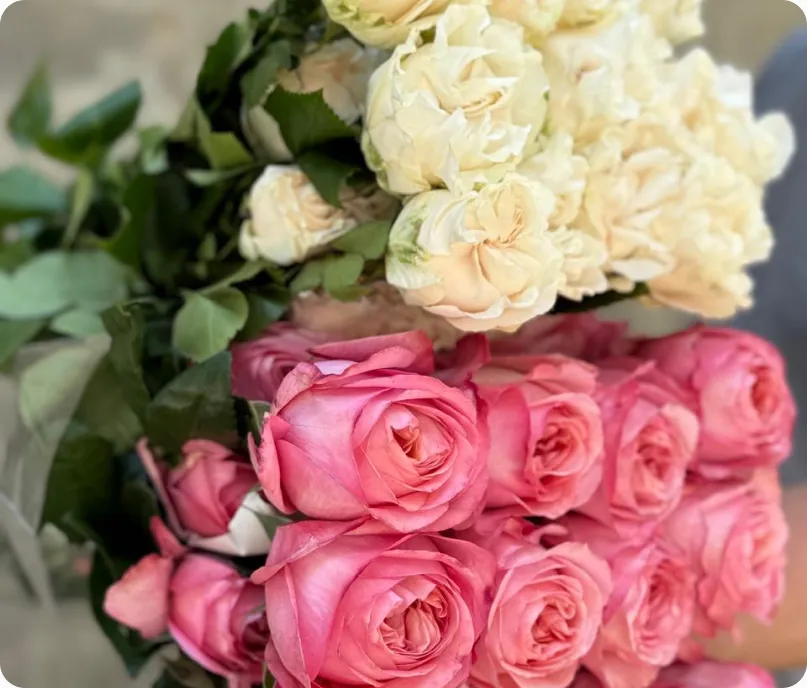
This is particularly noticeable in colored rose and carnation varieties. Garden roses and spray roses also deserve special attention, as their prices have increased noticeably. The price of Playa Blanca has started to rise again as well. In addition, farms are once again requesting additional red varieties as part of the load when purchasing Playa Blanca.
This is already a sign that demand for certain positions is becoming more active.
One possible factor behind the recent increase in demand is purchasing for September 1st, the start of the new school year in some markets. Some countries have already started building their volumes for this period. Another factor could be the approaching second wave of the wedding season, which typically becomes more active from late August into September.
It is still difficult to say how strongly these factors will affect the market in the coming weeks. But the first changes are already visible.
When certain varieties start moving faster, farms have more room to adjust their prices, especially after a fairly long period when promotional pricing was needed to move volume.
At the same time, supply remains high. This is why farms are still finding it difficult to raise prices as much as they would like. Buyers still have plenty of choice between varieties, stem lengths, farms and countries of origin.
There is, however, one important point: right now, the speed at which flowers are selling is more telling than the price increase itself.
Popular varieties are starting to sell faster. Some good offers may no longer be available by the end of the purchasing day, whereas just a few weeks ago, it was much easier to find them throughout the day.
For customers who are used to coming to our trading platform toward the end of the purchasing day, we recommend adjusting this strategy and starting their purchases earlier. There is a wider selection at the beginning of the day, which increases the chances of finding the required variety and stem length at an attractive price.
If you need a specific variety and already know that you will be purchasing it anyway, it is also worth placing a pre-order.
In Colombia, the market is also starting to change compared with previous weeks. Promotional offers on carnations have almost disappeared, and the market has returned to regular price levels. For roses, color varieties have also mostly returned to their usual prices. However, promotional offers can still be found on the red variety Freedom..
In Kenya, flower availability remains high, although volumes are somewhat lower than they were in previous weeks. The market is still attractive for buyers: good prices and promotional offers are available, and the availability remains fairly broad. So if a particular position has become noticeably more expensive in Ecuador, it is worth looking at alternatives from Kenya as well.
For other flower types, there are no significant changes so far. Supply remains sufficient, and the main positions are still available.
At this stage, we are seeing more of a gradual recovery in market activity after a prolonged period of low prices than a sharp market reversal. For buyers, the strategy is fairly straightforward: do not leave popular varieties until the last minute. There are still enough flowers on the market, and promotional offers are still available, but the most attractive opportunities are starting to move faster.
The next few weeks will show whether this trend becomes more established and whether it leads to further price increases.

 Eng
Eng