The flower market is entering one of its most dynamic periods of the year. As of this week, key production regions — Ecuador, Colombia, and Kenya — have moved into active execution of Mother’s Day programs. This event annually generates a global wave of demand that develops unevenly, as the holiday falls on different dates across countries throughout May. As a result, the market will remain in a state of heightened activity over the coming weeks, with peak intensity expected within the next 10–14 days.
The Ecuadorian and Colombian markets showed a rapid turnaround already by midweek. The primary driver has been the launch of large-scale shipments against previously contracted volumes. Farms have shifted focus to fulfilling commitments, which immediately impacted supply structure: availability on the free market has tightened significantly.
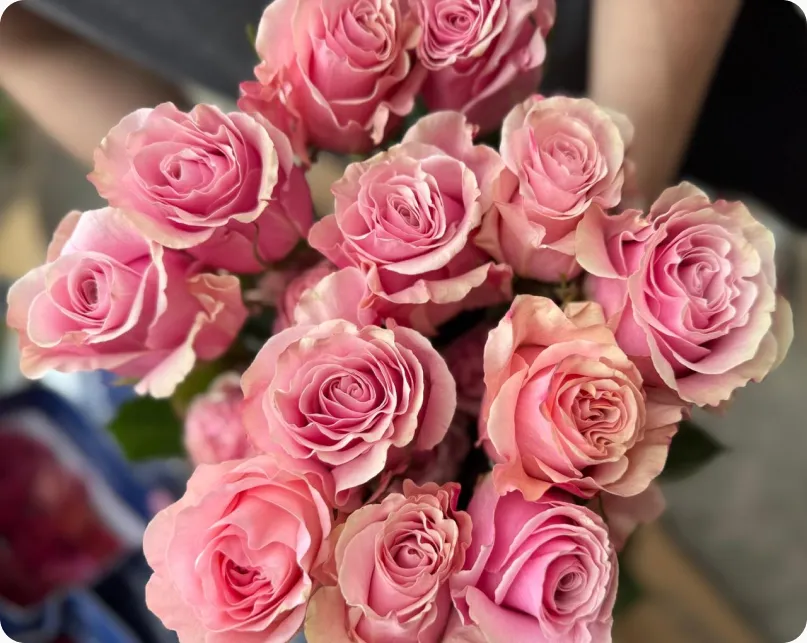
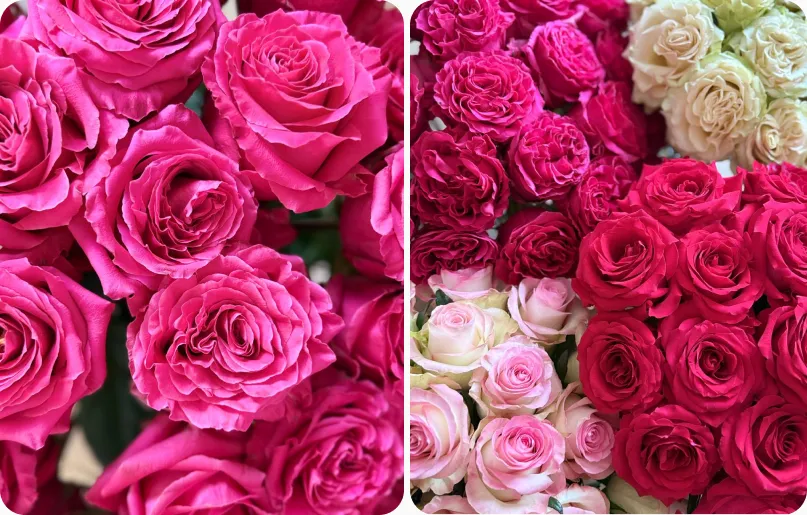
In Ecuador, this has led to a synchronized increase in prices across nearly all categories, most notably in:
- garden roses
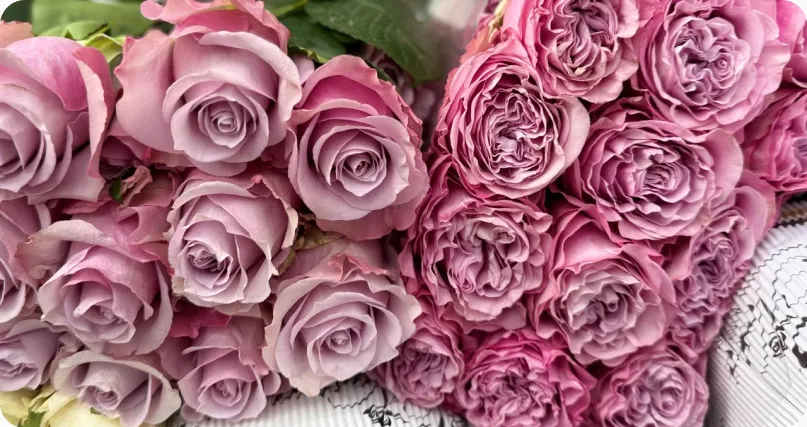
- all shades of pink (including pastel and lavender)
- bicolor varieties with any pink pigmentation
- selected white and peach varieties
The current price dynamics stand in sharp contrast to the prolonged low-price period observed since early March. Importantly, the upward trend is not limited to holiday-driven categorie, it is lifting the entire assortment.
Amid constrained supply and intense competition for key items, traditional purchasing patterns are no longer effective. The market has shifted into a high-speed decision-making mode:
- the optimal time to start purchasing is right at market opening (07:00 Ecuador time)
- high-demand items are sold within the first hour
- delayed purchasing significantly reduces the likelihood of completing orders
This is particularly true for holiday-driven categories, where negotiation becomes ineffective: demand far exceeds supply, and transactions are closed almost instantly.
Unlike previous seasons, where price increases were concentrated in shorter stem lengths (50–60 cm), this year the upward movement is more evenly distributed. Price increases are seen across all lengths within the pink spectrum.
The number of attractively priced lots on the free market has declined noticeably. However, opportunities still exist, primarily within standard or less popular varieties, requiring a more flexible approach to assortment building.
Against the backdrop of strong demand, many farms have temporarily reduced the availability of custom mixed boxes. Priority is given to mono-variety boxes, which move faster and require fewer operational resources. Under current conditions, shifting to QB single-variety formats is a rational strategy, especially when covering smaller volumes.
The spray rose segment in Ecuador is under the greatest pressure. A significant share of volumes was pre-sold through holiday contracts, resulting in an effective shortage on the open market. Consequently, prices have surged, and immediate purchasing opportunities are limited. It is advisable to place orders in advance and remain flexible in farm selection, avoiding strict dependence on specific farms.
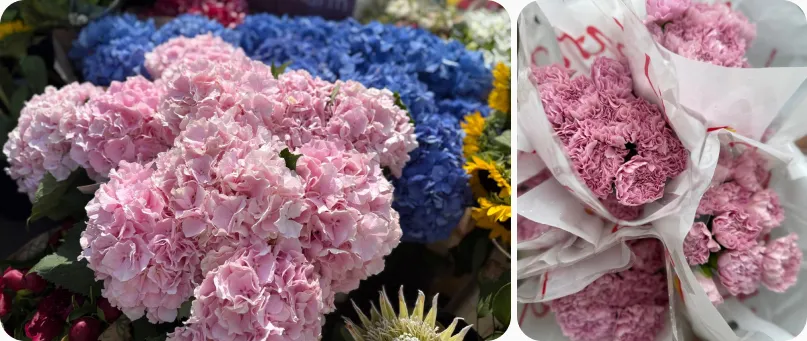
The carnation market continues to show sustained demand, ongoing for over a month. Supply from both Colombia and Ecuador remains limited, with elevated price levels. Even pre-orders are difficult to fulfill. The same popular pink shades are particularly scarce. Open market availability is sporadic, mainly consisting of red or bicolor varieties. As with roses, farms prioritize mono-variety box sales, making custom mixes nearly impossible to assemble.
At present, categories such as gypsophila, hydrangea, alstroemeria, stock (matthiola), ranunculus, anemones, greens, and others remain largely stable. Supply is consistent, and pricing is within normal ranges.
The Kenyan supply line currently appears more balanced. There is sufficient availability, active pricing from farms, and a broad assortment (roses, spray roses, carnations, alstroemeria, delphinium, hydrangea, and more). However, the usual shortages persist for certain varieties (e.g., Mansfield Park, Bombastic, Sandringham), with limited confirmations.
In the current market environment, it is advisable to:
- start purchasing at market opening in Ecuador
- make prompt decisions on key items
- reduce dependence on specific varieties or farms
- use alternative products and origins to balance the assortment
Despite market volatility, the Daoflowers online platform continues to offer a wide selection from verified growers in Ecuador, Colombia, and Kenya. Updated availability is provided daily, covering both premium and more accessible segments.
Under current conditions, speed, flexibility, and diversification are the key levers for effective procurement.

 Eng
Eng